From Highway to Lifestyle: The Car’s Impact on Our Travel Habits

From Highway to Lifestyle: The Car’s Impact on Our Travel Habits
For more than a century, the car has been a symbol of freedom, mobility, and personal independence in the United States. From the dusty roads of the early 1900s to today’s vast interstate network and growing electric vehicle infrastructure, the automobile has not only changed how Americans move—it has shaped how we live, work, and spend our free time. Our travel habits are deeply intertwined with the car’s evolution, telling the story of a nation built on motion.
From Necessity to Identity
When cars became widely accessible in the mid-20th century, they were first and foremost a practical tool. They allowed Americans to commute to work, visit relatives across state lines, and explore the country’s expanding suburbs. But over time, the car became more than just transportation—it became part of who we are.
The kind of car we drive often reflects our values and aspirations. A compact hybrid might signal environmental awareness and practicality, while a pickup truck can represent hard work, independence, or a love of the outdoors. For many, the car is a personal statement—a reflection of lifestyle, priorities, and identity.
The Car and Our Travel Habits
Few inventions have shaped American travel like the automobile. The car made it possible to live farther from city centers, take spontaneous road trips, and reach destinations far beyond the reach of public transit. It gave us flexibility and control—qualities that remain central to the American idea of freedom.
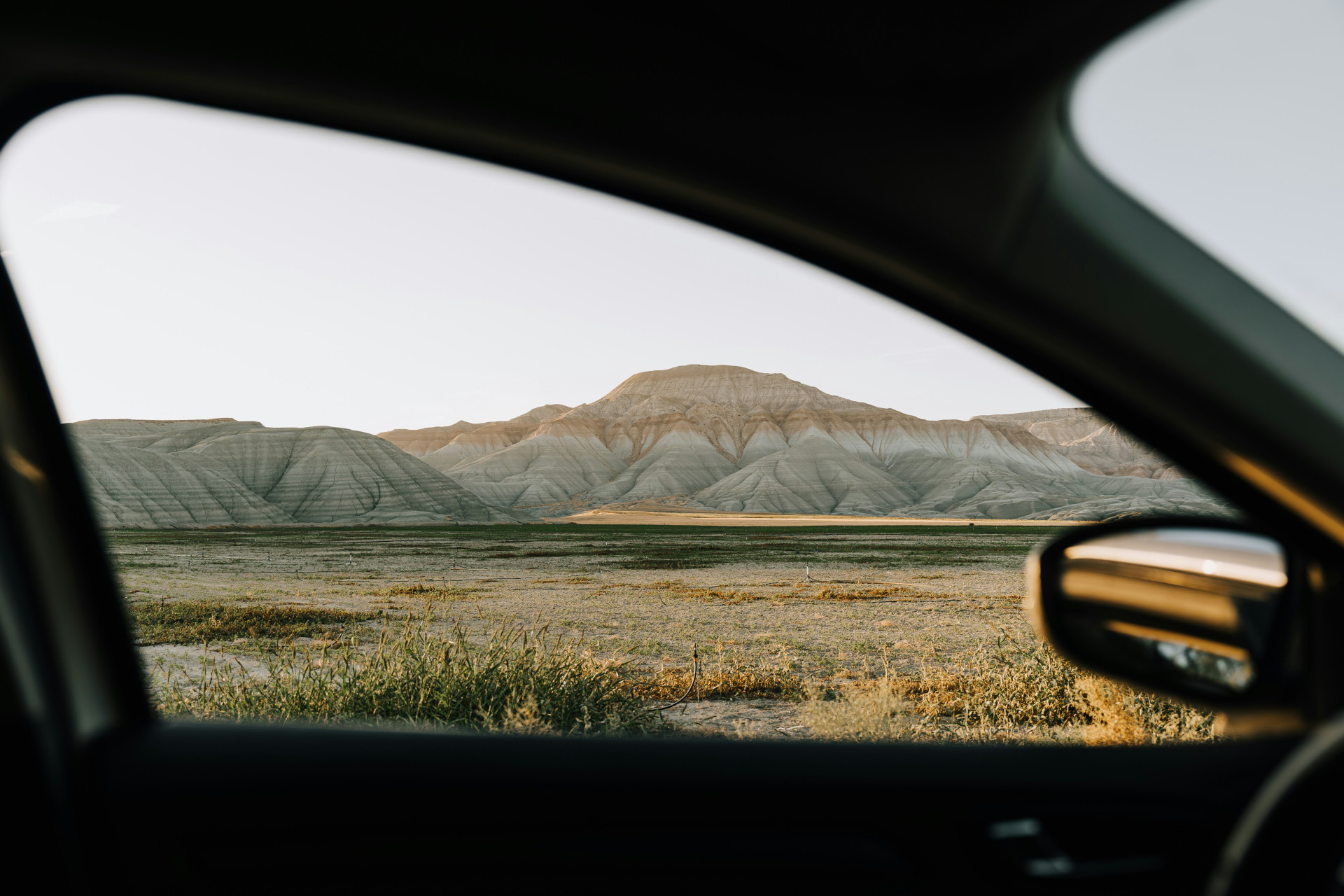
The road trip, in particular, has become a cultural institution. From Route 66 to the Pacific Coast Highway, the journey itself often matters as much as the destination. Stops at roadside diners, national parks, or small-town festivals turn travel into an experience rather than a simple transfer from point A to point B. The car has made exploration a part of everyday life.
From Gasoline to Sustainability
In recent years, the conversation around cars has shifted. Once seen purely as a symbol of freedom, the automobile is now also viewed through the lens of environmental responsibility. The transition from gasoline and diesel to electric and hybrid vehicles is reshaping both technology and travel behavior.
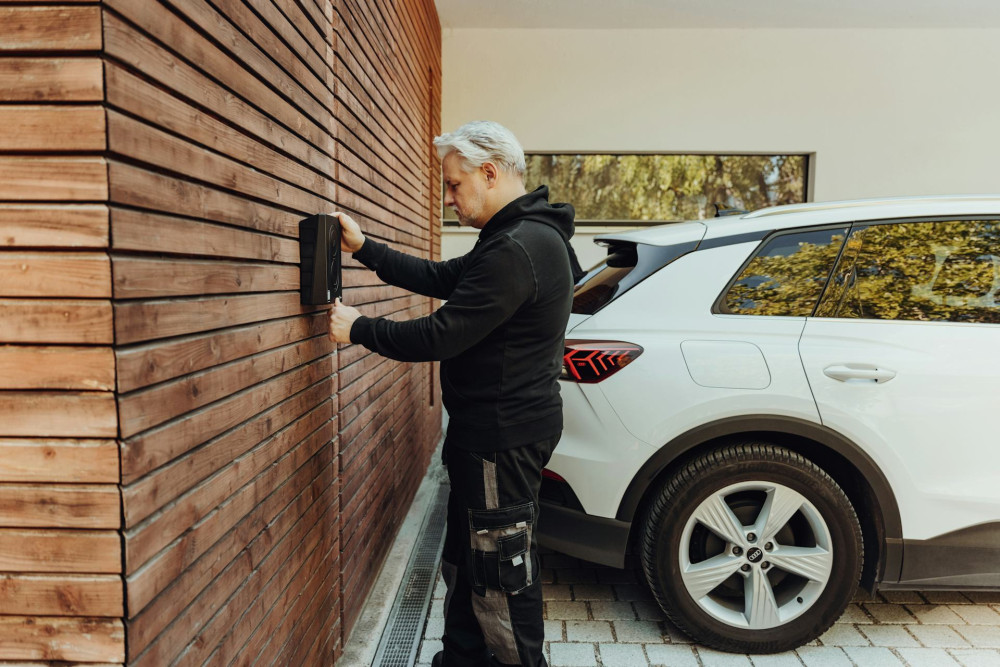
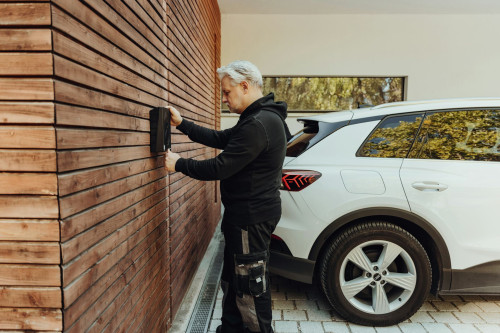
Electric vehicles (EVs) have introduced new habits: planning routes around charging stations, monitoring battery range, and charging overnight at home. At the same time, they’ve encouraged a more mindful approach to travel. Many drivers now combine car trips with biking, public transit, or carpooling to reduce their carbon footprint. The car remains a symbol of independence—but increasingly, it’s a greener and more conscious one.
Shared Mobility and Flexibility
Another major shift is the changing concept of car ownership. In urban areas especially, car-sharing services, ride-hailing apps, and subscription models are redefining what it means to have access to a vehicle. Americans still value flexibility, but many no longer see the need to own a car outright.
This trend points toward a future where mobility is a service rather than a possession. It’s less about having a car parked in the driveway and more about having transportation available when and how you need it. The idea of freedom is evolving—from ownership to access.
The Car as Part of American Culture
Cars have left an indelible mark on American culture. They’ve shaped our cities, our suburbs, and even our leisure time. Highways, rest stops, and drive-thrus are woven into the national landscape, and countless social activities—from tailgating to family vacations—depend on the car.
Beyond infrastructure, the car has inspired art, film, and music, often symbolizing adventure, youth, and independence. Even as technology changes, the dream of the open road endures—now with electric engines, digital dashboards, and GPS guiding the way.
Læs også:


A New Kind of Mobile Freedom
The car’s influence on our travel habits cannot be overstated. It has allowed Americans to explore, connect, and shape daily life in ways that were once unimaginable. Yet as society evolves, so does the car’s role.
The future of driving isn’t just about getting from one place to another—it’s about doing so in a way that fits our lifestyles and our planet’s needs. Whether we drive electric, share rides, or blend multiple modes of transport, the car will continue to be a central part of how we move—and how we live.
Læs også: