Games and Culture: What Does the Way We Play Say About Us?


Games and Culture: What Does the Way We Play Say About Us?
Games have always been part of human culture—from ancient dice and card games to today’s esports tournaments and online casinos. We play to win, to challenge ourselves, to connect with others, and sometimes just to escape everyday life for a while. But what does the way we play reveal about who we are and the society we live in?
From Ritual to Entertainment
In ancient civilizations, games were more than just pastimes—they were woven into rituals, religion, and social life. Dice, board games, and betting were used to predict the future or settle disputes. Today, we rarely play for divine favor, but the thrill of chance and the desire to control uncertainty remain deeply human impulses.
When we play, we flirt with fate. That tension between control and randomness is part of what keeps us fascinated. Games let us experience risk in a safe space, giving us both freedom and excitement—a reflection of our ongoing struggle to balance order and chaos.
Games as a Mirror of Society
The games we play—and how we play them—say a lot about our time. In a culture driven by technology, speed, and instant gratification, it’s no surprise that many popular games reward quick thinking, strategy, and measurable progress. Online games and casinos offer immediate feedback: a win, a loss, another try. They fit perfectly into a society accustomed to constant stimulation and rapid results.
At the same time, there’s a growing countertrend. Board games, tabletop role-playing, and community-based gaming have made a comeback. These experiences offer something screens can’t—face-to-face connection, shared laughter, and physical presence. Perhaps this resurgence reflects a longing for genuine human interaction in an increasingly digital world.
Competition, Community, and Identity
Games aren’t just about rules and scores—they’re about who we become when we play. Some of us play to win, others to relax or to bond with friends. Our play styles can reveal aspects of our personalities that don’t always surface in daily life.
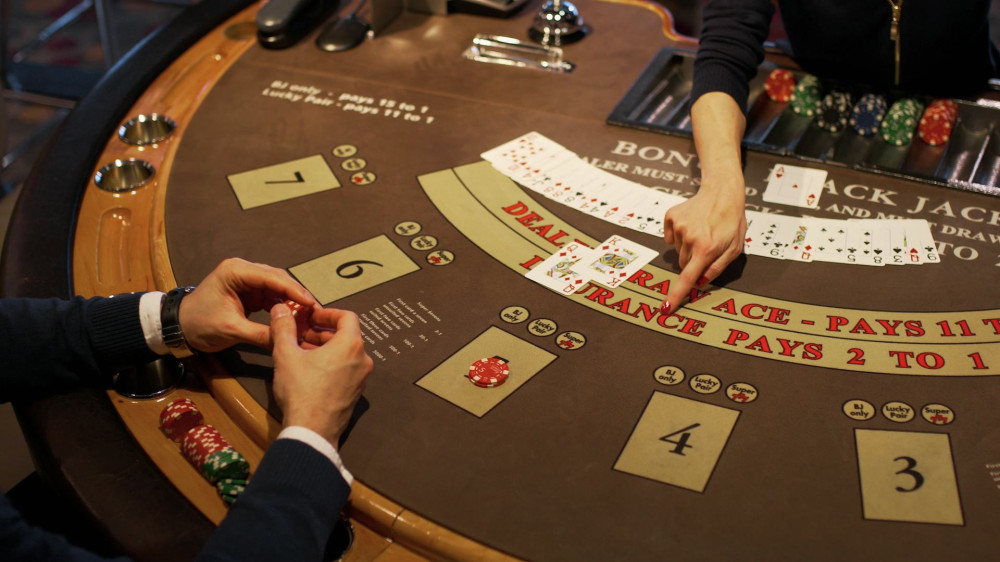
In the world of esports, gaming has become an identity. Players train, compete, and build fan communities much like traditional athletes. In casinos, the focus is often on thrill and control—the illusion of influencing chance. Both forms of play show how we use games to explore the boundaries between skill, luck, and destiny.
Games as Social Spaces
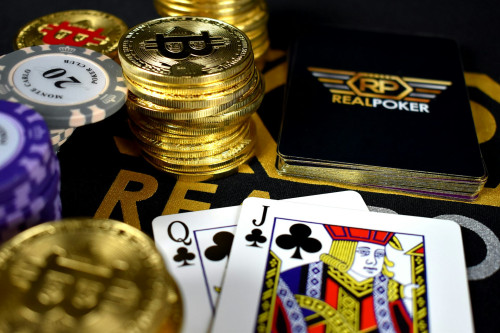
Games bring people together. Whether it’s a poker night, a LAN party, or a family game night, they create shared experiences and a common language. Through play, we learn how others handle victory, defeat, and unpredictability.
In an era when much of our social life happens online, games have become a way to connect across distances. They’re not just entertainment—they’re social platforms where we express ourselves, form communities, and find belonging.
Læs også:


What the Future Holds
Technology continues to reshape how we play. Virtual reality, artificial intelligence, and blockchain-based games are opening new frontiers—and raising new questions. What happens when games become so immersive that the line between play and reality blurs? How will that affect our sense of risk, reward, and morality?
Perhaps the future of gaming won’t just be about winning, but about understanding ourselves better. Because in the end, games aren’t merely an escape from reality—they’re a reflection of it.
Læs også: