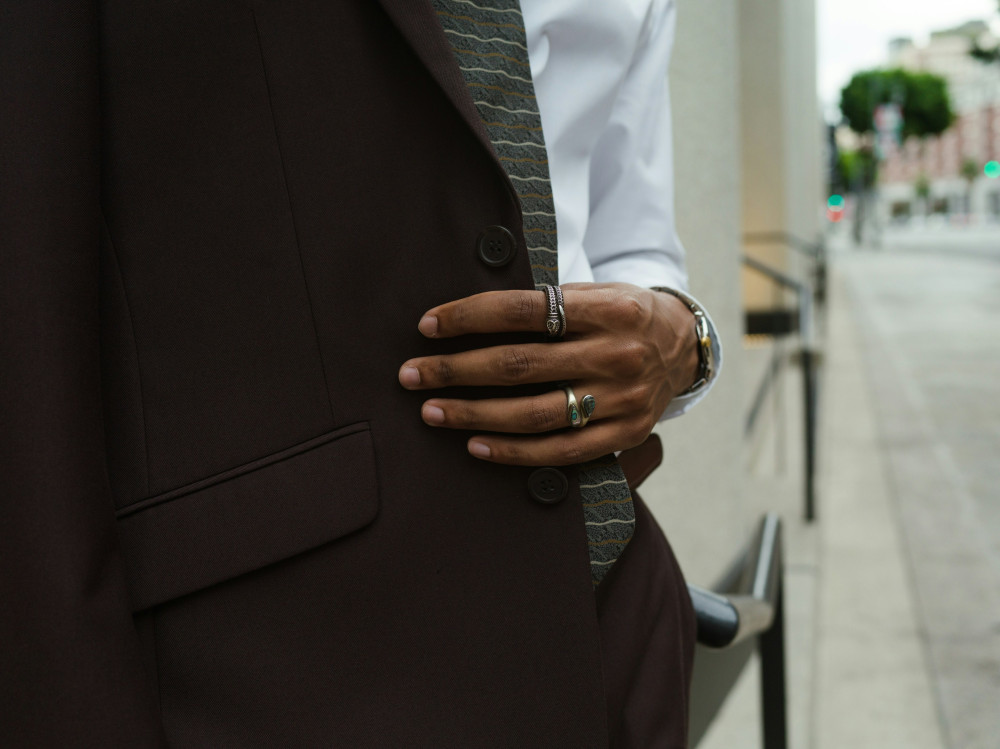
Playing with Contrasts: Using Textures to Bring Life to the Men’s Wardrobe


Playing with Contrasts: Using Textures to Bring Life to the Men’s Wardrobe
When it comes to men’s style, true sophistication isn’t just about fit and color—it’s also about texture. The right mix of materials can transform even the most classic wardrobe into something dynamic and full of character. By playing with contrasts—smooth and rough, matte and shiny, heavy and light—you can create a look that feels both intentional and effortless. Here’s how to use texture to elevate your everyday style.
Why Texture Matters
Texture gives clothing depth and personality. Two outfits in the same color can look completely different depending on the fabrics. A wool blazer and a cotton shirt send a different message than a sleek suit and a silk tie. Texture adds visual interest and makes neutral tones—like gray, navy, and beige—come alive through subtle surface contrasts.
The key is balance. Too many coarse fabrics can feel heavy, while too many smooth surfaces can look flat. The magic happens when you find harmony between the two.
Start with the Classics
A great way to begin experimenting is by using what’s already in your closet. Most men own pieces in wool, cotton, and denim—three timeless materials that form a solid foundation for mixing textures.
- Wool adds warmth and structure. A tweed jacket or chunky knit sweater brings depth to a simple outfit.
- Cotton is versatile and works as a neutral base. An Oxford shirt or cotton chinos can tie different textures together.
- Denim offers a rugged surface that contrasts beautifully with finer fabrics. Pair jeans with a blazer for a relaxed yet refined look.
By combining these materials, you can create outfits that feel both classic and contemporary.
Layering: The Art of Contrast
Layering is one of the easiest ways to play with texture. Each layer introduces a new surface, giving your outfit dimension and visual appeal.
Try pairing a crisp shirt with a textured sweater and a wool overcoat. Or wear a soft cashmere pullover under a structured blazer. The interplay between fabrics not only adds warmth but also sophistication.
Accessories are another subtle way to introduce contrast. A leather belt, a wool scarf, or a pair of suede shoes can break up a uniform look and add depth without overwhelming it.
Seasonal Textures: From Summer to Winter
Texture shifts naturally with the seasons. In summer, it’s all about lightness and breathability; in winter, warmth and richness take center stage.
- Summer: Choose linen, cotton, and seersucker. Their natural irregularities create a relaxed, airy feel that keeps you cool.
- Fall and Winter: Opt for wool, corduroy, and suede. These heavier materials provide comfort and a more refined, layered look.
By rotating textures with the seasons, you can keep your wardrobe fresh even if your color palette stays consistent.
Color and Texture: A Subtle Partnership
When you focus on texture, you don’t need a lot of color. In fact, a monochromatic outfit can look far more interesting when the materials vary. A navy wool jacket, denim shirt, and dark chinos create a tone-on-tone look that feels rich and intentional.
If you prefer more contrast, let texture enhance your color play. A chunky knit in earthy tones pairs beautifully with smooth, dark trousers, while polished leather shoes add a sleek finishing touch.
The Power of Details
Small changes can make a big impact. Swap a silk tie for a knitted one, smooth leather shoes for suede, or a shiny jacket for one with a brushed finish. These subtle shifts can completely change the mood of your outfit.
You don’t need to overhaul your wardrobe—just pay attention to how materials interact. Once you start noticing texture, it becomes second nature to use it as a styling tool.
Læs også:


A Wardrobe with Personality
In the end, using texture is about creating a wardrobe that feels alive and personal. It’s a quiet form of elegance—style that speaks through detail rather than volume. By combining different surfaces, you can breathe new life into classic pieces and craft a look that’s both timeless and uniquely your own.
It’s the play of contrasts that makes all the difference.
Læs også: