Read the Wine Label Like an Expert – Learn to Understand Origin, Vintage, and Producer


Read the Wine Label Like an Expert – Learn to Understand Origin, Vintage, and Producer
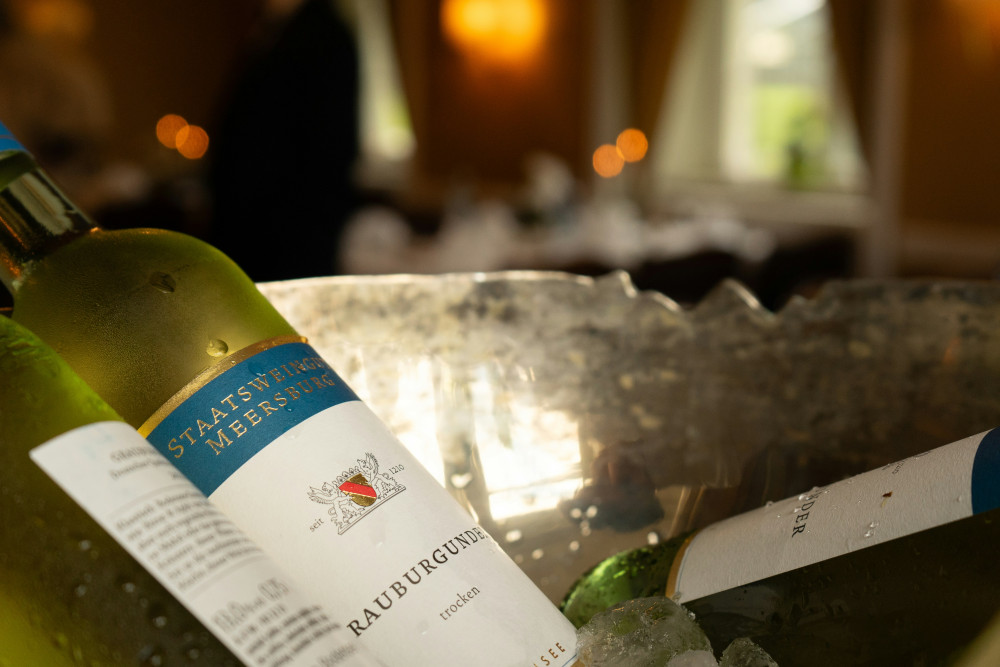
Standing in front of a wall of wine bottles can feel overwhelming. Each label is filled with names, numbers, and unfamiliar terms. But once you know what to look for, that label becomes your best guide to understanding what’s inside the bottle. Reading a wine label like an expert isn’t about speaking French or Italian—it’s about recognizing the clues that reveal a wine’s story. Here’s how to decode the key elements: origin, vintage, and producer.
Origin – The Wine’s Geographic Identity
The most important piece of information on a wine label is often its origin—where the grapes were grown. The place of origin tells you a lot about the wine’s style, flavor, and quality. Climate, soil, and local traditions all shape how a wine tastes.
- United States: American wines list the state or region where the grapes were grown, such as Napa Valley (California), Willamette Valley (Oregon), or Finger Lakes (New York). If the label says “California,” at least 75% of the grapes must come from that state. A more specific area, like “Russian River Valley,” usually means a more distinctive style.
- France: Look for terms like AOC (Appellation d’Origine Contrôlée), such as Bordeaux or Chablis. These indicate strict rules about grape varieties and production methods.
- Italy: Labels often include DOC or DOCG, as in Chianti Classico DOCG. These designations guarantee origin and quality standards.
- Spain: You’ll see DO or DOCa, such as Rioja DOCa, which signal controlled production and regional authenticity.
- New World regions: Countries like Australia, Chile, and South Africa typically list the region name, such as Barossa Valley or Maipo Valley. Regulations are more flexible, but the region still gives you a sense of the wine’s character.
In general, the more specific the origin, the more distinctive the wine. A bottle labeled from a single vineyard often reflects a unique expression of place.
Læs også:

Vintage – A Snapshot of the Year
The vintage—the year the grapes were harvested—offers insight into the weather conditions that shaped the wine. A cool year might produce wines with higher acidity and freshness, while a warm year can yield richer, riper flavors.
In regions with variable climates, like Bordeaux or Burgundy, vintage can make a big difference in quality. In areas with more consistent weather, such as California or Australia, vintage matters less but still helps you gauge the wine’s age and readiness to drink.
A good rule of thumb: lighter white wines and rosés are best enjoyed young, while structured reds like Cabernet Sauvignon or Nebbiolo can benefit from aging. Checking the vintage helps you decide whether a wine is ready to open now or worth saving for later.
Producer – The Signature Behind the Wine
Every wine has a producer, and that name can tell you a lot about craftsmanship and style. Some producers make wine on a large scale, while others focus on small-batch, artisanal production.
- Large wineries often produce consistent, reliable wines that are widely available.
- Family-owned or estate producers grow their own grapes and oversee every step from vineyard to bottle, often resulting in wines with a personal touch.
- Cooperatives combine grapes from multiple growers under one label, offering good value and regional character.
Once you find a producer whose wines you enjoy, remember the name—it’s often a more reliable indicator of quality than price or even region.
Other Details Worth Knowing
Beyond origin, vintage, and producer, wine labels include other useful information:
- Grape variety: In the U.S. and other New World regions, the grape is usually listed—Pinot Noir, Chardonnay, Cabernet Sauvignon. In Europe, the grape is often implied by the region.
- Alcohol content: A wine around 12% alcohol tends to be lighter and crisper, while 14–15% suggests a fuller-bodied style.
- Quality terms: Words like Reserve, Estate Bottled, or Grand Cru can indicate higher quality or special production methods.
- Importer: For imported wines, the U.S. label must list the importer. This can help you track down wines you’ve enjoyed.
Putting It All Together
When you’re choosing a bottle, start by looking at the origin to get a sense of the wine’s style, then check the vintage to understand its age and character, and finally note the producer to gauge quality and craftsmanship.
With a little practice, you’ll find that a wine label isn’t just decoration—it’s a map of the wine’s journey from vineyard to glass. The more you learn to read it, the more confident and curious you’ll become in exploring the world of wine.
Læs også: