Communities in Transition: How You Can Help Shape Them

Communities in Transition: How You Can Help Shape Them
Communities have always been at the heart of human life — from small-town gatherings to today’s online networks. But as society changes, so do the ways we connect. New forms of community are emerging, old ones are fading, and many of us find ourselves searching for belonging in a world that feels both more connected and more fragmented than ever. The question is: how can you help shape the communities you’re part of?
Communities Aren’t What They Used to Be — and That’s Not Necessarily a Bad Thing
It’s easy to feel that community life is under pressure. Many Americans live far from family, work remotely, and spend more time online than in person. Yet, new communities are thriving — in neighborhood gardens, volunteer groups, book clubs, and digital spaces where people share passions and support one another. Communities haven’t disappeared; they’ve simply evolved.
This shift gives us more freedom to choose how we connect. That freedom can be empowering, but it also requires effort. A community doesn’t just happen — it grows when people take initiative, show interest, and reach out.
When a Community Changes — and You Feel Left Out
Change can be uncomfortable. Maybe a group you once felt at home in has shifted. New people have joined, conversations feel different, or you sense you no longer fit. That can bring sadness or frustration — even a sense of loss.
It’s important to remember that communities, like people, evolve. Sometimes you can find a new role within the same group; other times, it’s healthier to move on and seek new connections. Both are natural parts of life. Feeling out of place doesn’t mean you’ve failed — it means you’re growing.
Take Initiative — Small Steps Make a Big Difference
Shaping a community doesn’t always mean starting a big organization or leading a movement. It often begins with small, intentional actions: reaching out, listening, inviting others in. Here are a few ways to make a difference:
- Be curious – Ask questions and show genuine interest in others’ experiences.
- Share something of yourself – Openness builds trust and connection.
- Make space for others – Welcome different perspectives and new ideas.
- Take responsibility – If you notice something missing, be the one to start it.
A strong community grows when more people feel ownership. You don’t have to be a leader — just someone willing to contribute what you can.
Community in a Digital Age
Online spaces have become central to how many Americans connect. They can offer support, inspiration, and a sense of belonging across distances. But they can also feel shallow if they’re not balanced with real-world connection.
Consider how you use digital platforms. Can they be a bridge to in-person gatherings? Can you create online spaces where conversations go deeper than quick reactions? When used intentionally, digital communities can be powerful sources of support and growth.
When Community Becomes Part of Healing
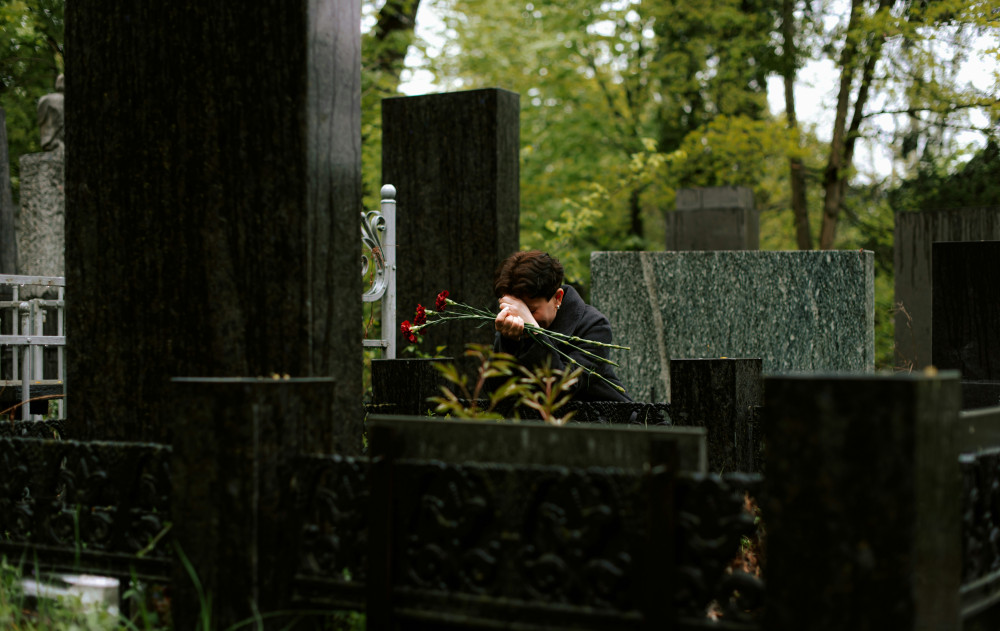
For many people — especially during times of loss, transition, or uncertainty — community can be a lifeline. Sharing experiences with others who understand can bring meaning and comfort when life feels overwhelming. That might happen in a support group, a local church, a veterans’ network, or simply through a friend who listens without judgment.
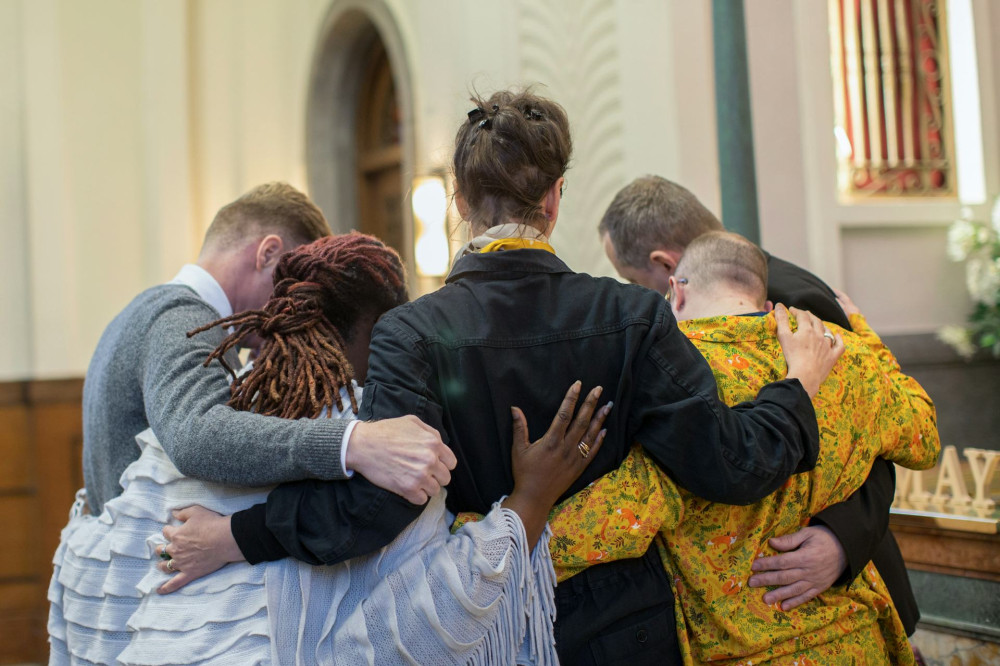
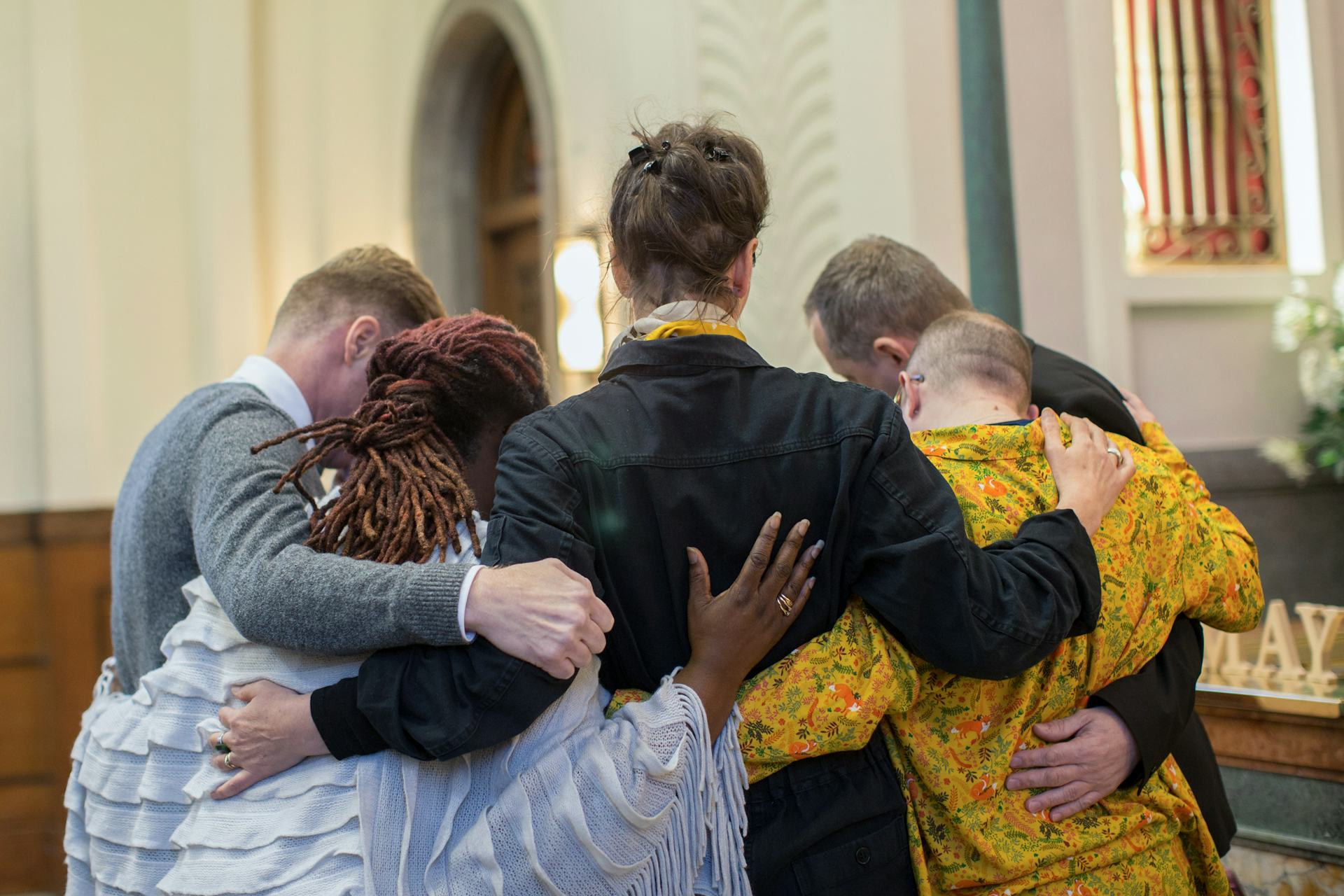
Community can’t erase pain, but it can help carry it with you. There’s quiet strength in knowing you don’t have to face everything alone.
Læs også:




You Help Shape the Future of Community
Today’s communities are more fluid than ever. They form, change, and dissolve quickly — yet they still offer what we all need: connection, purpose, and support. Every time you choose to reach out, listen, participate, or create something with others, you’re helping shape what community looks like in the future.
It’s not about finding the perfect group — it’s about being part of the movement where people come together, share, and grow side by side.
Læs også: