Give Yourself Time: Self-Compassion as Support Through Grief


Give Yourself Time: Self-Compassion as Support Through Grief
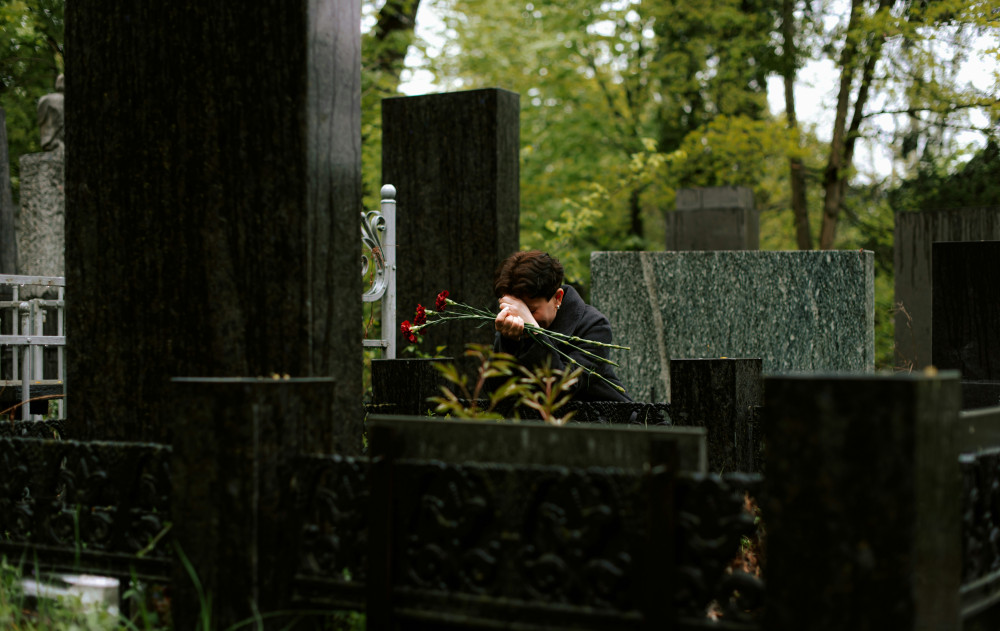
When life brings loss—whether it’s the death of a loved one, the end of a relationship, illness, or another kind of goodbye—grief can feel overwhelming. Many people try to “stay strong,” keep busy, or push their feelings aside. But in the midst of pain, self-compassion can be one of the most healing forces we have. Giving yourself time and kindness isn’t a sign of weakness; it’s a way to support yourself as you slowly find your footing again.
Grief Has Many Faces
Grief isn’t a straight path. It comes in waves, shifts shape, and can appear when you least expect it. Some days feel heavy and foggy; others bring a bit of lightness. All of it is normal. Still, many people feel pressure to “move on” faster than they actually can.
Recognizing that grief takes time is the first step toward self-compassion. Healing can’t be rushed—it unfolds at the pace your heart can handle. It’s not about letting go of the grief, but about learning to live with it—and with yourself within it.
What Self-Compassion Really Means
Self-compassion means treating yourself with the same understanding and care you would offer a close friend in pain. It’s saying to yourself, “This is hard, and it’s okay that I feel this way.”
Research from psychologists like Dr. Kristin Neff has shown that self-compassion can reduce feelings of isolation and guilt that often accompany grief. It helps us accept our emotions instead of judging them. That might mean allowing yourself to cry, taking a break from work, or simply sitting quietly without needing to accomplish anything.
When Strength Becomes a Burden
In American culture, we often celebrate resilience and independence. Many people—especially men—feel they must stay strong for their families or communities. But strength can become a mask that hides pain and makes it harder to heal. Showing vulnerability can feel uncomfortable, yet it’s exactly where self-compassion can make a difference.
Allowing yourself to feel sadness, anger, or emptiness isn’t weakness—it’s human. When you face your emotions instead of pushing them away, you begin to heal from within.
Small Steps Toward Self-Care
Self-compassion doesn’t have to mean big, dramatic gestures. It can start with small, intentional acts in your daily life:
- Give yourself breaks. Take time to breathe, walk outside, or simply rest without guilt.
- Speak kindly to yourself. Notice your inner voice—replace self-criticism with understanding.
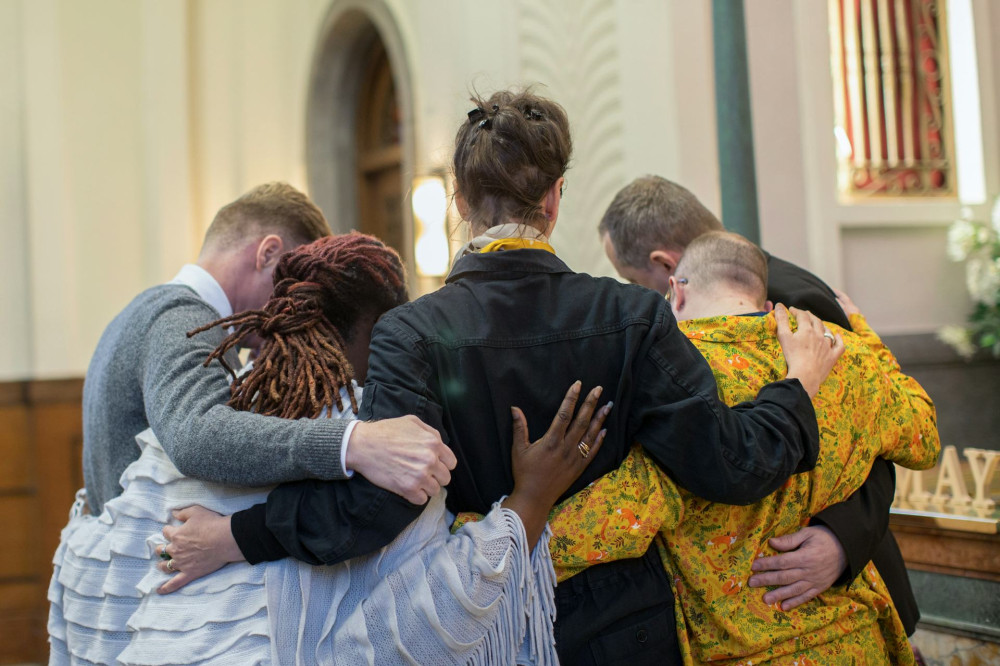
- Reach out for support. Talk with a friend, family member, or counselor. You don’t have to carry grief alone.
- Create small rituals. Light a candle, write a letter, or set aside a moment to remember the person you’ve lost. Rituals can bring comfort and structure.
These actions aren’t solutions, but ways to remind yourself that you deserve care—even when life hurts.
Letting Time Work With You
There’s no timeline for grief. For some, it softens after months; for others, it takes years. What matters most is allowing time to work with you, not against you. Self-compassion means giving space to your process without forcing yourself to be somewhere you’re not.
Over time, grief changes shape. It may never disappear completely, but it becomes easier to carry. And within it, you may discover a new kind of strength—one built on honesty, patience, and kindness toward yourself.
Læs også:




Finding Peace in Imperfection
Grief reminds us that life can’t be controlled. We lose, we long, we struggle. But we can choose how we meet ourselves in those moments. Self-compassion doesn’t erase pain—it holds your hand as you walk through it.
When you give yourself time, permission, and gentleness, the grief doesn’t become less real—but you become less alone in it. And that can be the beginning of finding peace in the imperfect, human process of healing.
Læs også: