Nature as a Healing Space in a Time of Grief and Loss

Nature as a Healing Space in a Time of Grief and Loss
When life is marked by grief and loss, the world can feel smaller, heavier, and without direction. In such times, many people look for a place where their thoughts can settle and where they can breathe freely again. For many Americans, nature becomes that place—a healing space where silence, rhythm, and the living world around us offer a kind of comfort that words and conversations sometimes cannot.
Nature as a Place Without Demands
In nature, there are no expectations. The trees stand, the wind moves, and the birds sing, no matter how we feel. That constancy can be a relief when everything else feels uncertain. A walk through a forest trail, sitting by a lake, or simply watching the sky can bring a sense of belonging to something larger—something that continues even when our own lives are in turmoil.
Many find that nature allows them to feel their grief without needing to explain it. Tears can fall freely, and the quiet can hold what is too heavy for words. It is not an escape from pain, but a way to be with it—supported by surroundings that do not judge.
The Body Finds Its Rhythm Again
Grief affects not only the mind but also the body. Sleep is disrupted, appetite changes, and energy fades. Moving in nature—even in small ways—can help the body rediscover its rhythm. Physical movement releases tension, and feeling the ground beneath one’s feet can bring a sense of stability amid uncertainty.
It doesn’t have to be a long hike in a national park. A short walk around the neighborhood, a few minutes in the backyard, or a quiet moment on a park bench can be enough. What matters most is giving yourself permission to simply be present—without goals, without performance.
Læs også:


Nature’s Cycles as a Mirror of Life
Everything in nature is in motion. Leaves fall, snow covers the ground, and spring brings new life. This cycle reminds us that change and loss are part of life’s rhythm. It doesn’t mean that grief disappears, but that it can find a place within a larger pattern.
Watching how nature renews itself can offer hope—not necessarily as immediate joy, but as a quiet recognition that life continues, even after what feels like an ending. The return of green after winter, the sound of waves that never cease—these can gently remind us that renewal is possible.
A Space for Reflection and Memory
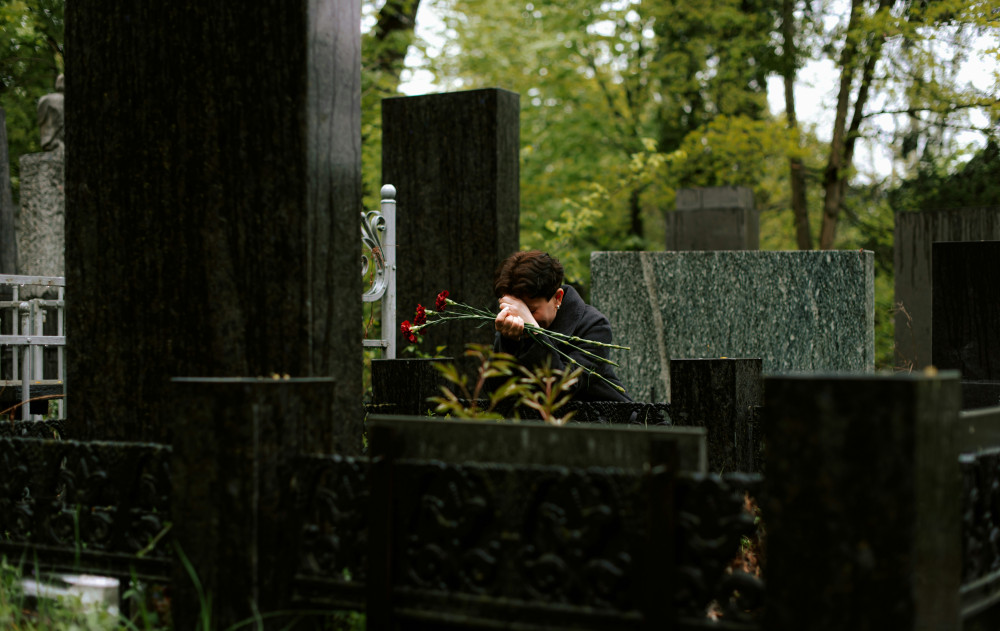
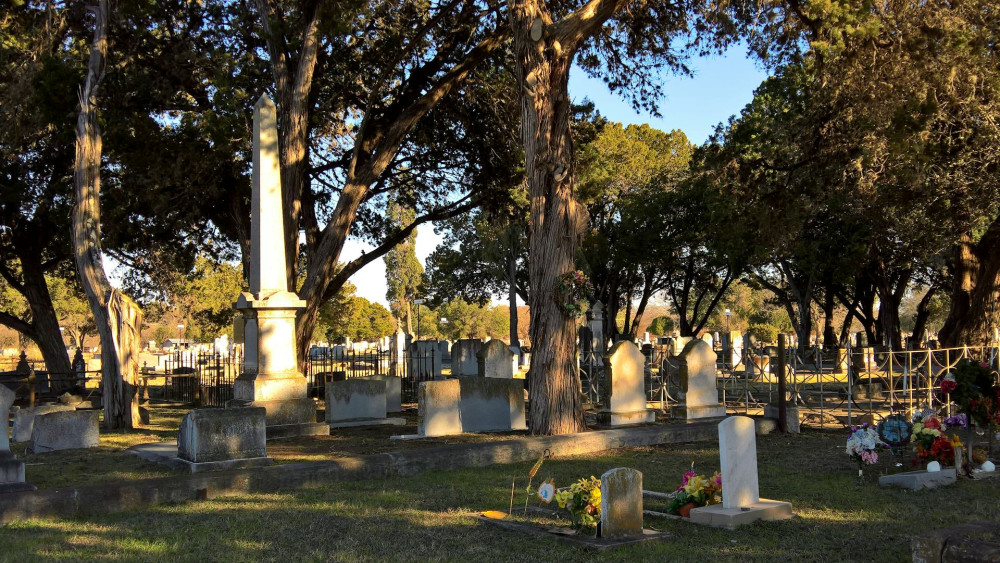
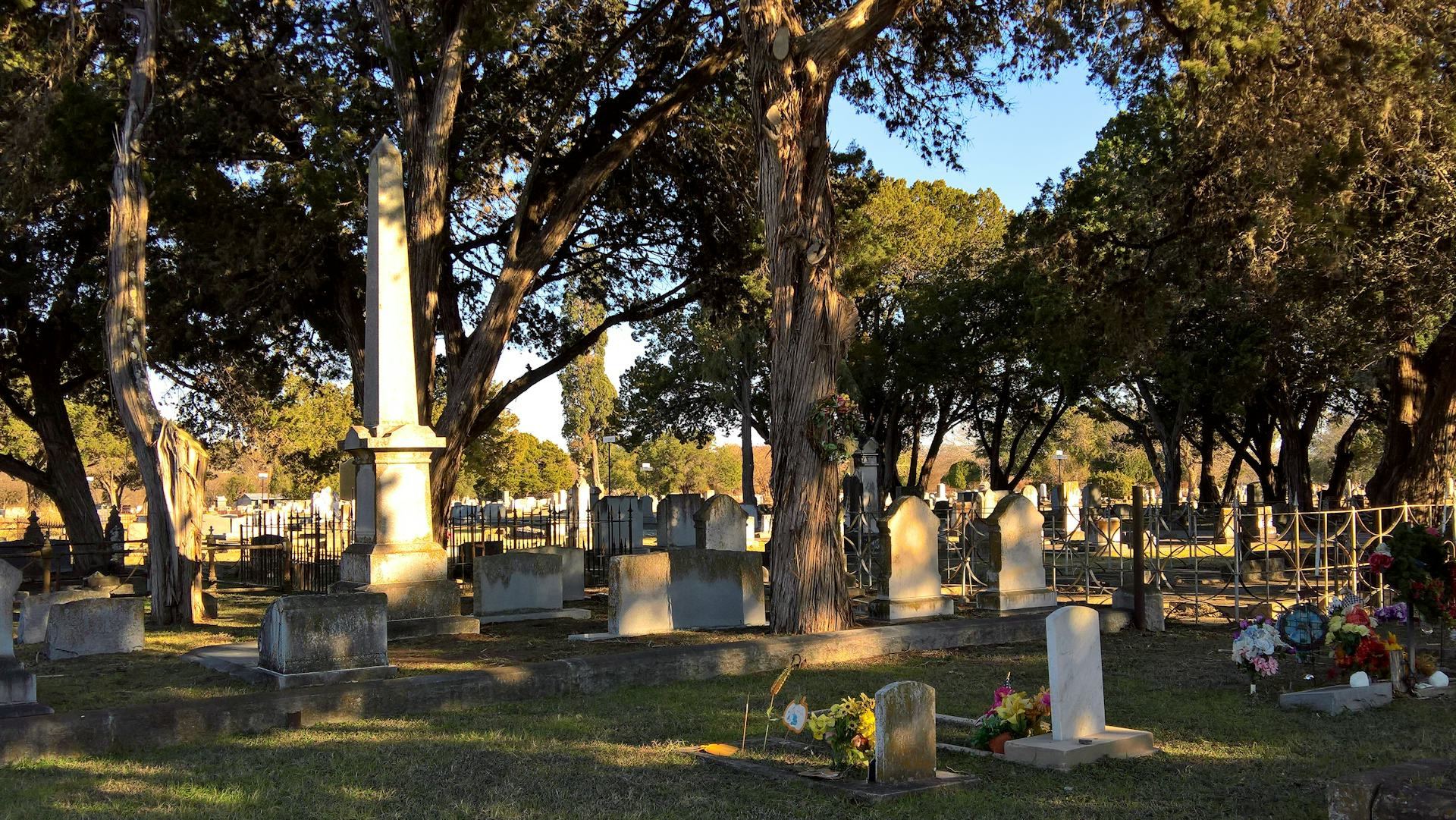
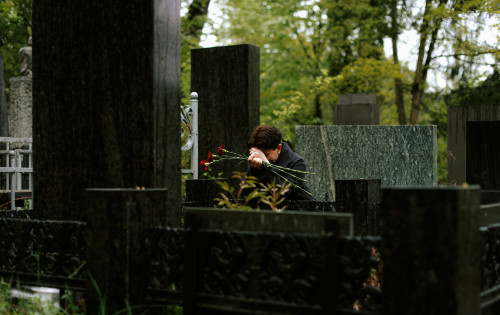
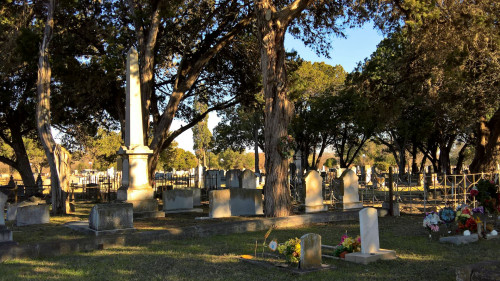
For some, nature becomes a place of remembrance. A particular tree, a trail, or a scenic overlook can take on personal meaning as a place to honor someone who has been lost. Returning to that spot when the ache of absence grows can bring comfort through familiarity. It can be a way to stay connected to the person who is gone, without being overwhelmed by pain.
Some people plant a tree, light a candle by the water, or simply sit in silence. These small rituals can bring structure and meaning to a time that otherwise feels chaotic.
Allowing Time to Heal
Healing takes time, and nature reminds us that nothing grows overnight. A seed does not sprout in a day, and a wound does not close in a week. Spending time outdoors can help us accept the slowness that grief requires. It’s not about “moving on,” but about finding a new way to live with what has changed.
Letting nature be part of that process can offer a quiet strength—a sense that even in loss, there is something that holds us, something that endures.
Læs også: