The Many Faces of Loss – When Life Changes on Multiple Fronts


The Many Faces of Loss – When Life Changes on Multiple Fronts
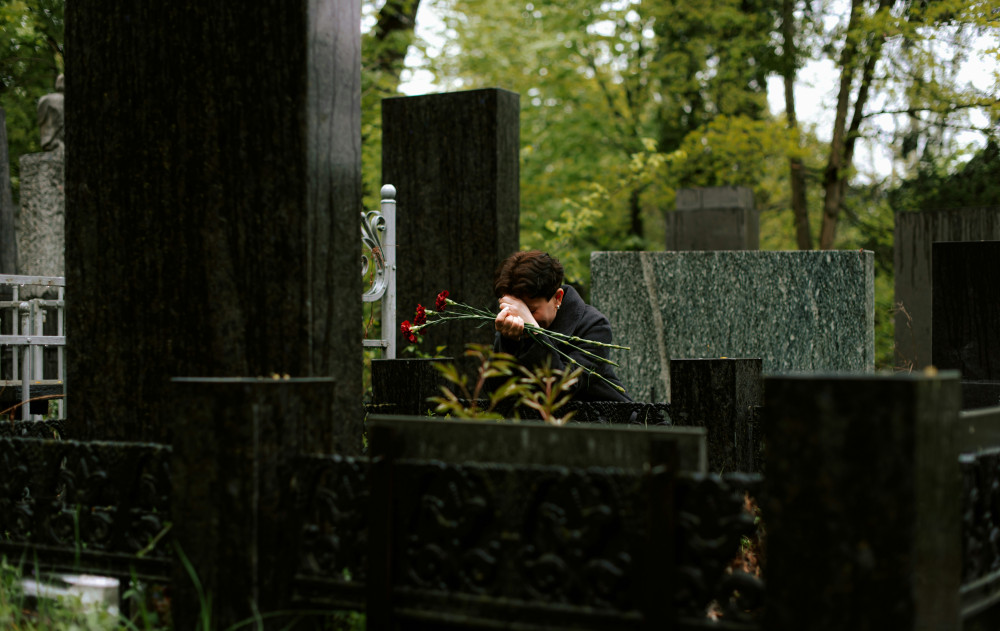
Loss is an inevitable part of being human. It can mean losing someone you love, but it can also mean losing a job, your health, a dream, or a sense of identity. Some losses are visible and acknowledged, while others happen quietly in the background. What they all share is their power to change us. Understanding the many faces of loss is not only about grief—it’s also about adaptation, courage, and the possibility of new beginnings.
When Grief Isn’t Only About Death
When we talk about loss, most people think of death. But life holds many kinds of goodbyes. A divorce, a friendship that fades, or a career that ends can stir emotions just as deep as those following a death. It’s not only the person or situation we lose—it’s also the version of ourselves that existed within that relationship or role.
Many find that others more easily understand grief after a death than after an “invisible” loss. Yet the emptiness, confusion, and longing can feel just as real. Recognizing these feelings is the first step toward regaining balance.
The Body and Mind Respond
Loss affects both body and mind. Sleeplessness, fatigue, restlessness, and difficulty concentrating are common reactions. Some people lose their appetite, while others seek comfort in food or activity. The body tries to find a new equilibrium while the mind works to process what has happened.
It can help to see grief as a process rather than a fixed state. It moves in waves—some days feel heavy, others lighter. Allowing yourself to feel both is part of healing.
Læs også:




When Losses Come in Clusters
Sometimes losses don’t come one at a time but in waves. A death may be followed by financial strain, family conflict, or a loss of purpose. In such times, it can feel as though the ground beneath you is shifting.
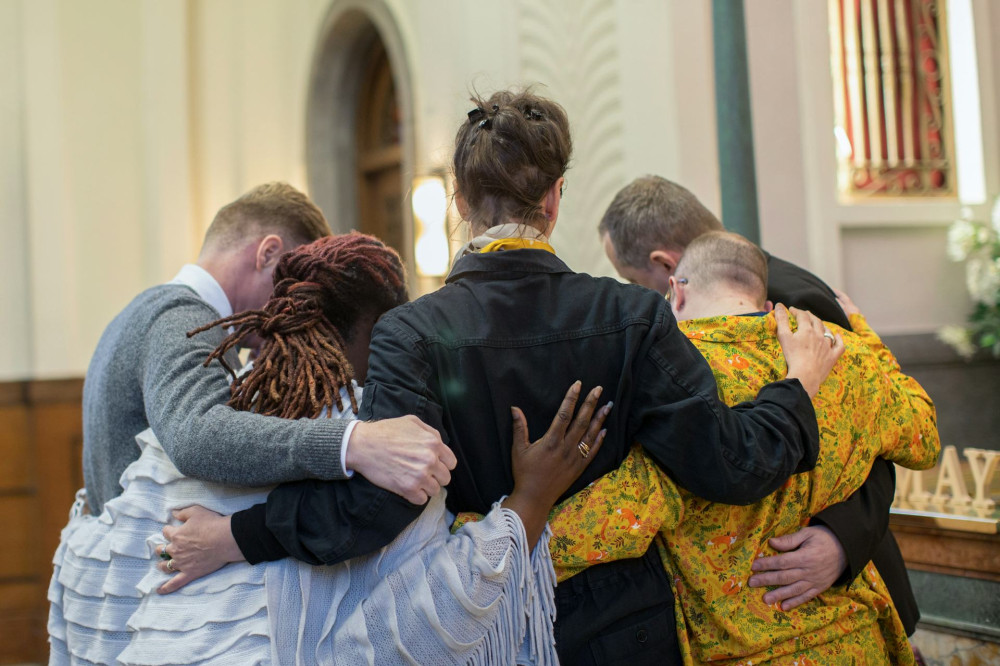
The key is to take one step at a time. Reaching out for support—from friends, family, or professionals—can make a real difference. No one can carry everything alone, and asking for help is not a sign of weakness. It’s a way of taking responsibility for your own survival.
Men and Loss – When Feelings Have Little Room
Many men have been taught to stay strong and take action, even when life hurts. That can make it hard to talk about grief and vulnerability. Instead, pain may be buried and show up as anger, restlessness, or withdrawal.
But grief needs space. Putting words to what hurts can bring relief, even if it feels unfamiliar. Some find comfort in talking with friends; others in support groups where they can share experiences without having to explain everything. The important thing is to find a way that feels genuine.
Finding Meaning Amid Change
Though loss always hurts, it can also open new perspectives. Many people find that, over time, they see life differently—becoming more aware of what truly matters. That doesn’t mean the grief disappears, but that it finds a place within a new chapter.
Finding meaning isn’t about “moving on” in the traditional sense, but about learning to live with what has happened. It might come through small rituals, time in nature, creativity, or relationships that nourish you. Life won’t be the same as before—but it can still be full.
When Life Changes – and You Change With It
Loss changes us. It can feel like losing yourself, but it can also mark the beginning of a deeper understanding of who you are. Giving yourself time, patience, and compassion is essential. There is no right way to grieve—only your way.
Living with loss ultimately means finding a new rhythm in life. A rhythm where absence has its place, but where hope, joy, and new connections can also grow. Even when life changes on multiple fronts, we can still find our way—step by step.
Læs også: